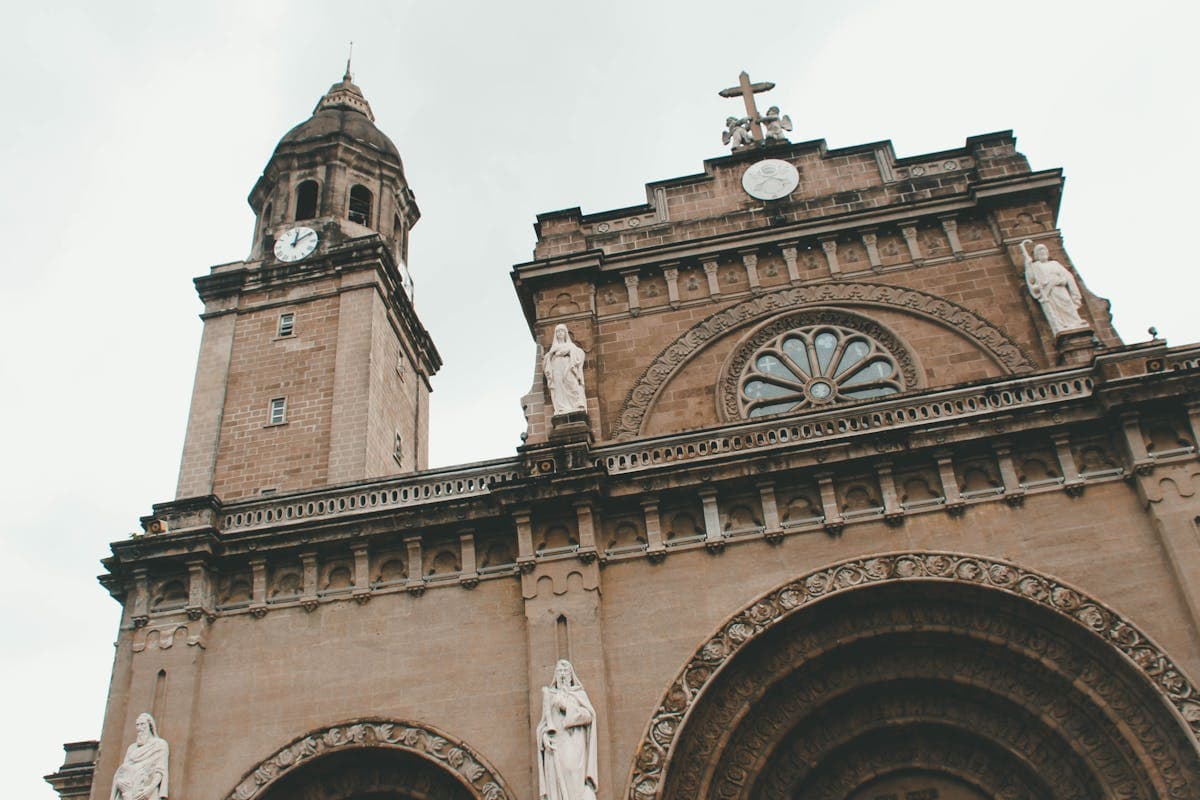
Welcome to Binondo, the world's oldest Chinatown! Established in 1594, this vibrant district in Manila predates San Francisco's and New York's Chinatowns by centuries. Today, it's a haven for food lovers and history buffs alike.

Why Visit Binondo?
Binondo isn't just any Chinatown—it's where Chinese-Filipino culture was born. Here's what makes it special:
- World's Oldest Chinatown - Established in 1594, over 430 years of history
- Food Paradise - Legendary restaurants serving dishes passed down for generations
- Living History - Spanish colonial architecture meets Chinese heritage
- Authentic Experience - No tourist traps, just real Filipino-Chinese life
- Affordable - Some of the best food in Manila at local prices

The Must-Try Foods
1. Dumplings & Siomai
No Binondo trip is complete without dumplings! Head to these legendary spots:
Dong Bei Dumplings - Ongpin Street
- Hand-pulled noodles and pork dumplings
- Try the xiao long bao (soup dumplings)
- Budget: ₱150-300 per person
Wai Ying - Benavidez Street
- Famous for hakaw (shrimp dumplings)
- The siomai is consistently excellent
- Budget: ₱200-400 per person
2. Siopao (Steamed Buns)
The Filipino version of Chinese baozi, siopao is comfort food at its finest.

Ma Mon Luk - Quezon Boulevard (since 1920!)
- The OG siopao spot
- Try the asado (sweet pork) or bola-bola (meatball)
- Budget: ₱50-100 per piece
3. Lumpia (Spring Rolls)
Fresh or fried, lumpia is a Filipino-Chinese classic.
Lido Cocina Tsina - T. Pinpin Street
- Crispy fried lumpia Shanghai
- Fresh lumpia with sweet sauce
- Budget: ₱100-200
4. Pancit (Noodles)
Chinese noodles adapted to Filipino taste:
- Pancit Canton - Stir-fried egg noodles
- Pancit Bihon - Rice vermicelli
- Mami - Noodle soup (perfect for rainy days)
Masuki - Benavidez Street
- The mami soup here is legendary
- Try the combination mami with dumplings
- Budget: ₱150-250
5. Tikoy & Chinese Pastries
For dessert, don't miss:
- Tikoy - Sweet rice cake (especially during Chinese New Year)
- Hopia - Flaky pastry with mung bean or ube filling
- Mooncakes - During Mid-Autumn Festival
Eng Bee Tin - Ongpin Street (since 1912!)
- Famous for hopia and tikoy
- Great for pasalubong (souvenirs)
Historic Landmarks
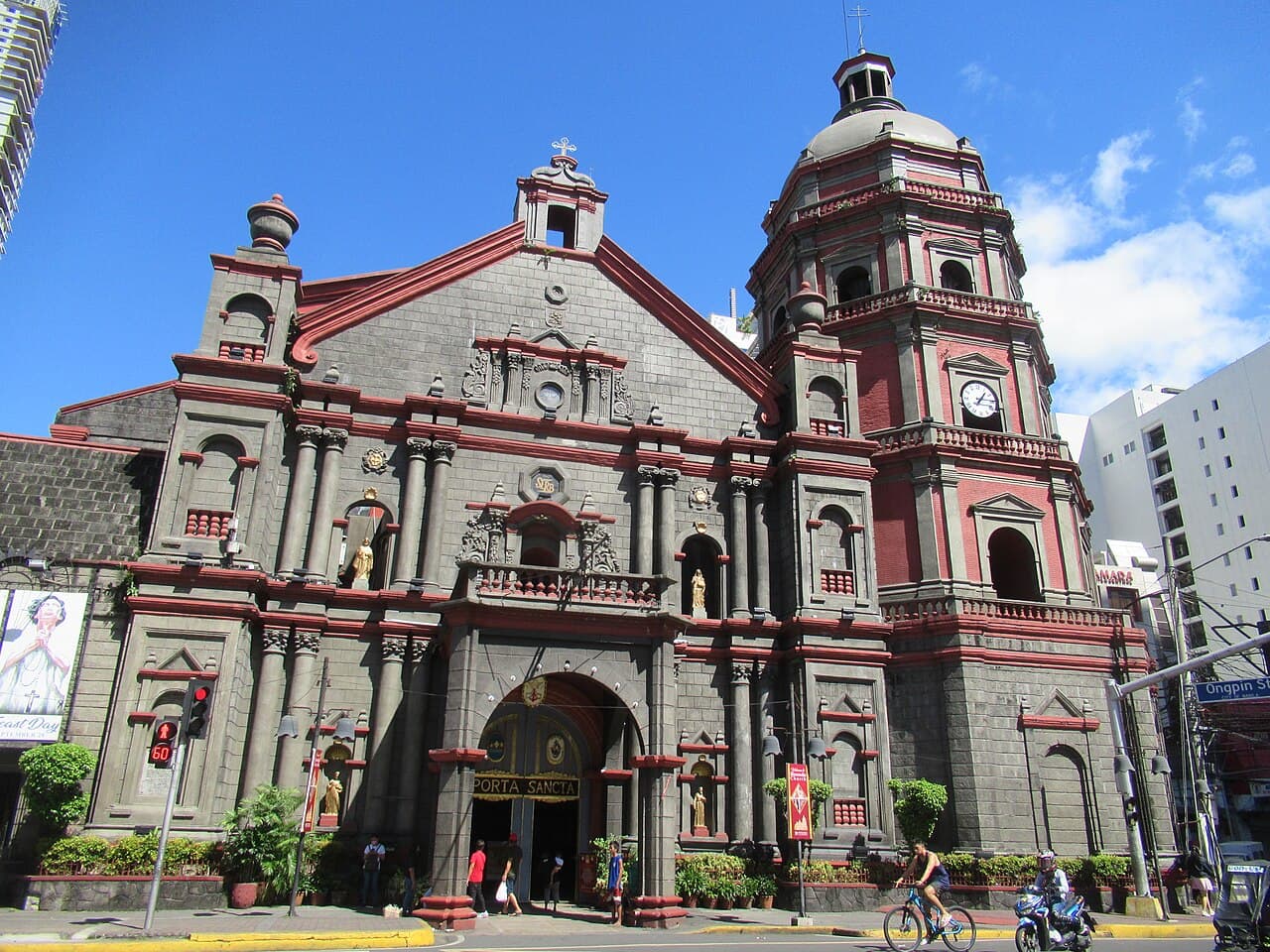
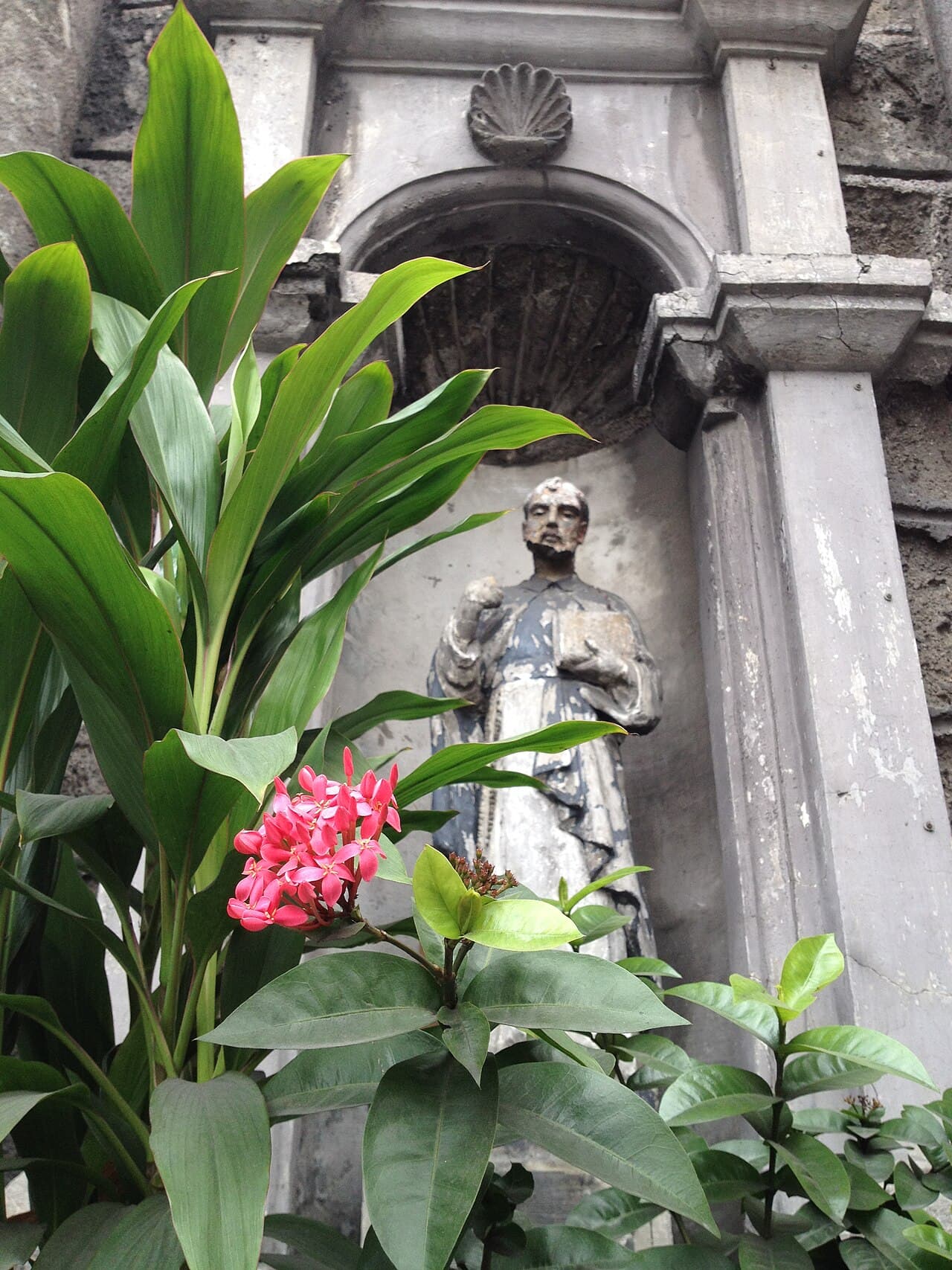
Binondo Church (Minor Basilica of San Lorenzo Ruiz)
Built in 1596, this is one of the oldest churches in the Philippines. It's dedicated to San Lorenzo Ruiz, the first Filipino saint.
Highlights:
- Granite Chinese-style bell tower
- Beautiful baroque interior
- The image of Sto. Niño de Binondo
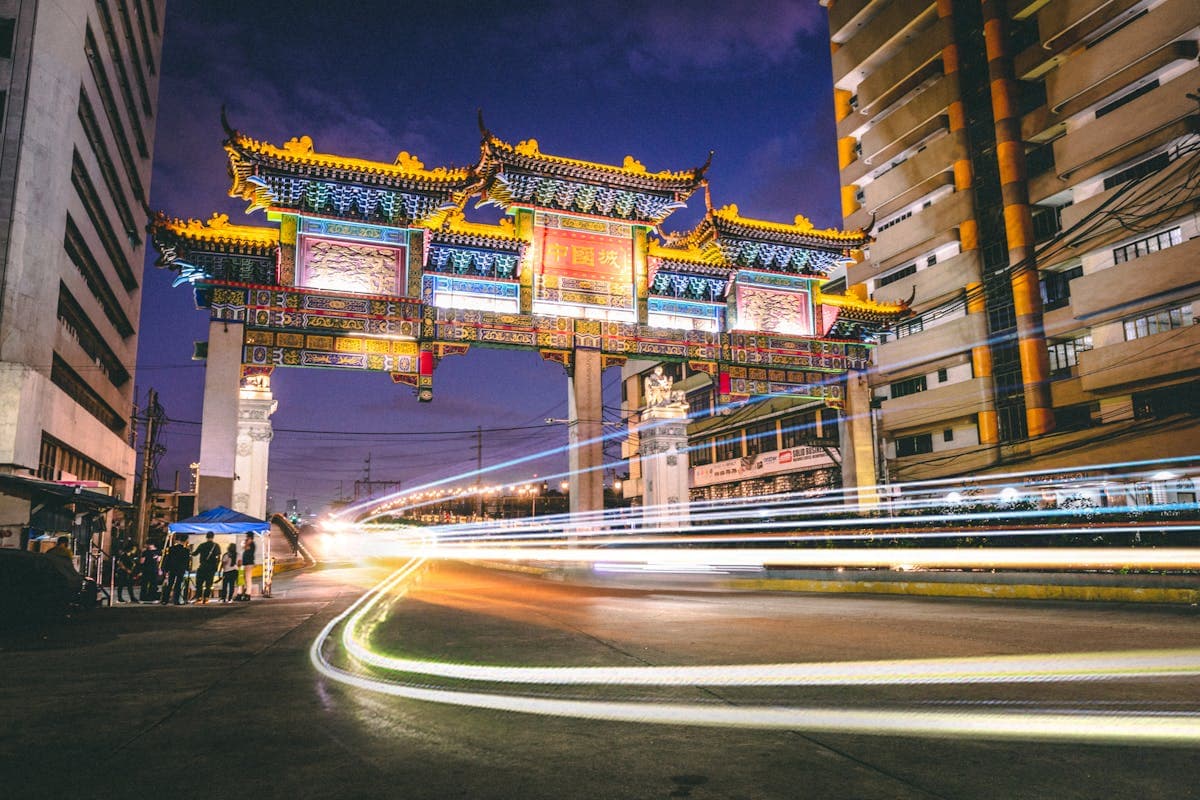
Filipino-Chinese Friendship Arch
The iconic Chinatown gate marks the entrance to Ongpin Street, the main commercial artery of Binondo.
Heritage Buildings
Walk along Ongpin, Carvajal, and Nueva Streets to see:
- Pre-war shophouses
- Art deco buildings from the 1930s
- Traditional Chinese apothecaries
Food Crawl Route
Duration: 3-4 hours Best Time: 10 AM start (before lunch crowds)
Morning Route
- Start at Binondo Church - Take photos, light a candle
- Walk to Ongpin Street - Through the Friendship Arch
- Dong Bei Dumplings - Early lunch dumplings
- Eng Bee Tin - Buy hopia for later
Afternoon Route
- Wai Ying - Dim sum and hakaw
- Masuki - Mami noodle soup
- Explore Carvajal Street - See traditional shops
- End at Escolta - Coffee at HUB: Make Lab
Practical Tips
Getting There
- By LRT: Carriedo Station (Line 1), then walk across Jones Bridge
- By Car: Park at Lucky Chinatown Mall
- By Grab: Drop off at Binondo Church
Best Days to Visit
| Day | Experience |
|---|---|
| Weekdays | Less crowded, easier to get tables |
| Saturday | Lively atmosphere, all shops open |
| Sunday | Attend mass at Binondo Church |
| Chinese New Year | Festive but VERY crowded |
What to Bring
- Cash - Many shops don't accept cards
- Comfortable shoes - You'll be walking
- Reusable bag - For pasalubong shopping
- Empty stomach - You'll need room for food!
Safety Tips
- Keep valuables secure (standard city precautions)
- Stay on main streets
- Visit during daylight hours
Budget Breakdown
A full Binondo food crawl costs surprisingly little:
| Item | Cost |
|---|---|
| Dumplings at Dong Bei | ₱200 |
| Siomai at Wai Ying | ₱150 |
| Mami at Masuki | ₱150 |
| Siopao at Ma Mon Luk | ₱80 |
| Hopia at Eng Bee Tin | ₱200 |
| Total | ₱780 |
Beyond the Food
Shopping
- Chinese medicine shops - Traditional remedies
- Gold shops - Along Ongpin Street
- Fabric stores - On Tabora Street
- Lucky Chinatown Mall - Modern shopping
Nearby Attractions
- Escolta Street - Historic financial district, now an art hub
- Jones Bridge - Beautiful views of Pasig River
- National Museum - Free admission, world-class exhibits
Chinese New Year in Binondo
If you visit during Chinese New Year (January/February), expect:
- Dragon and lion dances in the streets
- Fireworks at midnight
- Special tikoy and nian gao everywhere
- Massive crowds - but worth the experience!
Final Thoughts
Binondo is more than just a food destination—it's a living museum of Filipino-Chinese culture. From the incense-filled corridors of Binondo Church to the sizzling woks of century-old restaurants, every corner tells a story of two cultures beautifully intertwined.
Come hungry, leave happy, and don't forget the hopia for your loved ones back home!
Ready to explore Manila's historic Chinatown? Let Lakbay AI plan your perfect Binondo food crawl!